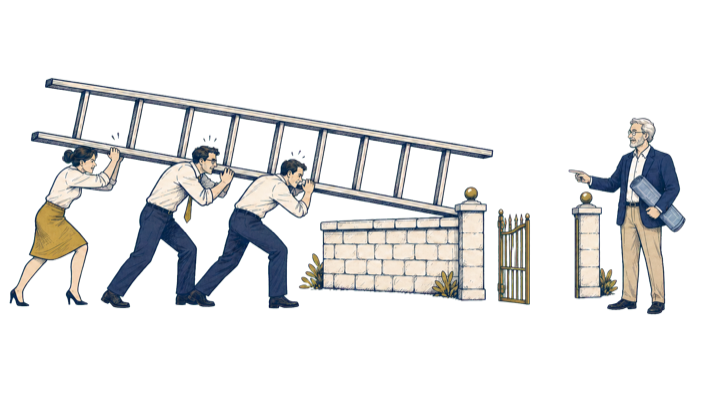
Sales are growing, but the processes can no longer keep up
Independent IT Business Architect
The right IT decision starts before choosing a system or vendor.
I work on the owner’s side when the business challenge is clear, but it is not yet clear what to implement or build—and who should deliver it.
30 yearsbusiness × technologyOwner ↔ ownerdirect accountabilityDecision to launchone coherent project logic
Where it starts
A business does not always need a new system.
First, understand what actually needs to change.
The wish to implement CRM, ERP or AI—or to create a proprietary platform—usually comes from a real problem. But a chosen technology is not yet a solution.
The owner personally controls too many operations
Data is scattered across spreadsheets and applications
The existing system limits further growth
The company wants to use AI but has no practical use case
There is a digital product idea but no internal IT team
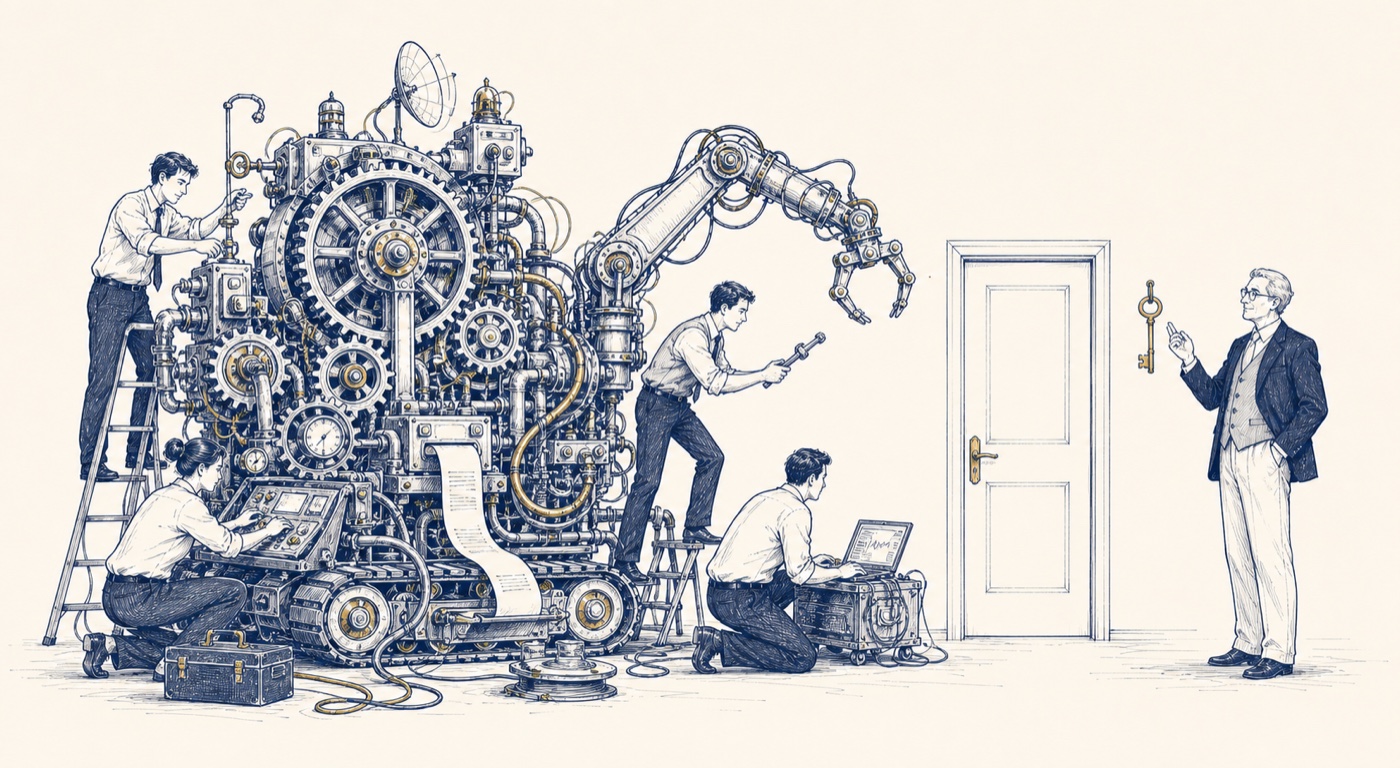
The same problem may require custom development, configuration of an existing product, integration of current systems—or a process change without a new IT project.
Different roles — different responsibilities
A vendor answers the question “how to build it”. First decide — what to build and why.
Business owner
Knows the customers, economics, constraints and company goals.
Defines what needs to changeIT Business Architect
Connects processes, economics, data and technology capabilities.
Shapes the right solution modelVendor
Knows its own product, platform or technology best.
Delivers the agreed part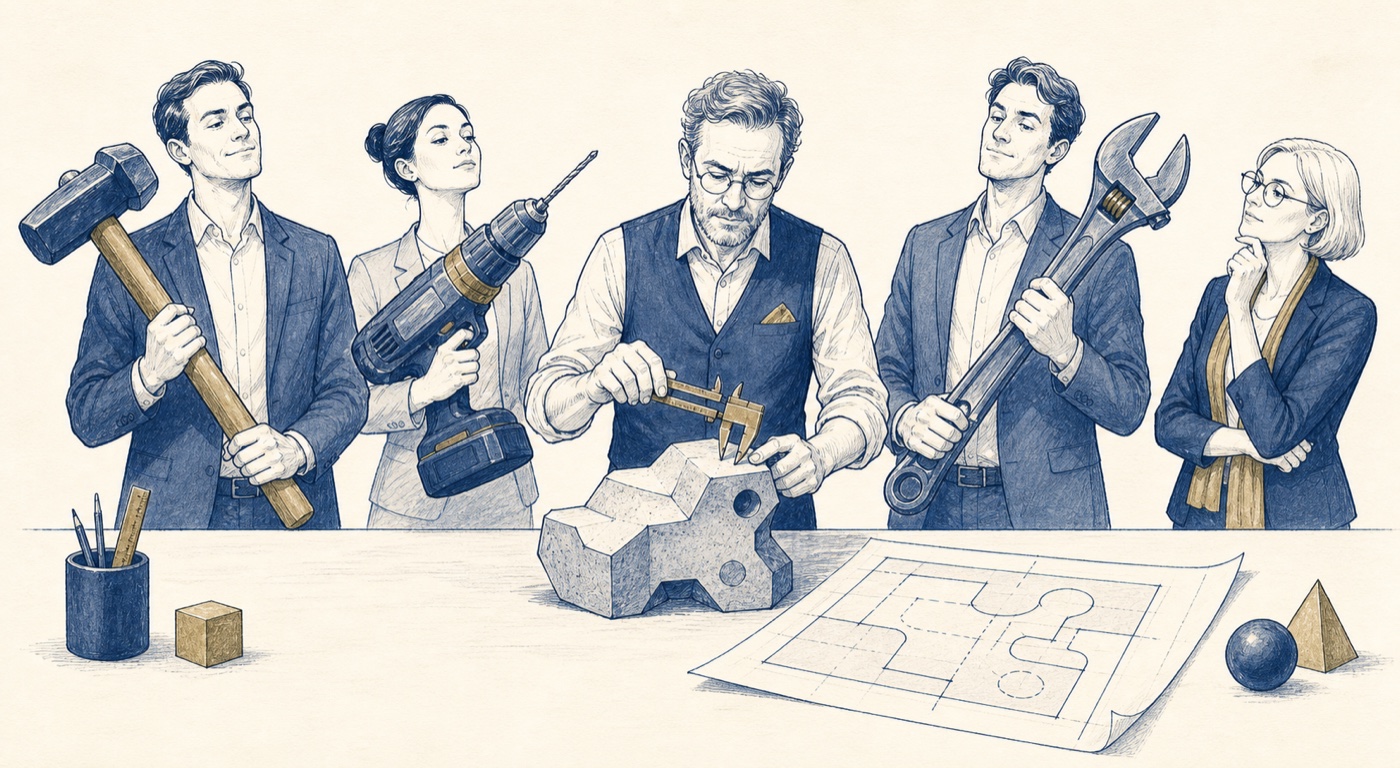
Important
The problem is not a lack of vendor competence. It appears when the same vendor is asked to define the business need, choose the approach and sell its own implementation.
The cost of an early mistake
A project can be delivered—and still fail to solve the business problem.
The later a flawed initial decision is discovered, the more it affects.
The solution is chosen before the problem is understood
The project starts revolving around a technology familiar to the vendor instead of the business outcome that is actually required.
Existing chaos gets automated
The new system locks in unnecessary approvals, manual exceptions and misplaced responsibilities.
Constraints are discovered too late
Missing roles, data and integrations become visible only after development has started and changes are expensive.
No one owns the whole picture
Each vendor delivers its own part, while the system as a whole may still fail to work as one business solution.
The same mistake — a different scale of consequences
At the zero stage, the decision changes. After launch, the business does.
The cost does not grow by a magic formula. With every stage, more completed and paid work accumulates around the wrong decision.
Change the logic on paper
Clarify the business challenge, reject the wrong hypothesis and choose another route.
Only the hypothesis and solution model are affected
Rebuild the project
Change the requirements, budget, timeline, agreements and vendor criteria.
Requirements, estimates and vendors are now affected
Rework the system
Rework code, integrations, data structures and the delivery plan already paid for.
Development, data and timelines are now affected
Change a running business
Beyond the system, processes, training, responsibilities and ways of working must change.
People, processes and operations are now affected
The value of the zero stage is not another document.
It enables the least expensive change available: changing direction before the business starts paying for the consequences of a wrong decision.
Recent reports do not support one universal multiplier, but they show the same pattern: misaligned goals, underestimated complexity and late discovery lead to overruns, delays and losses. Evidence from 2023–2024: BCG 2024 ↗ McKinsey 2023 ↗ IBM 2024 ↗
Problem→vendor→familiar technology→rework
Problem→options→decision→controlled implementation
The zero stage of an IT project
First create clarity, not a system.
Before specifications, platform selection and vendor negotiations.
Define the outcome
What must change for the owner, customers and employees.
Understand reality
Processes, roles, data, applications, constraints and root causes.
Shape the options
From a process change to a ready platform or custom development.
Compare consequences
Cost, timing, dependency, support and ability to grow further.
Choose the first step
Architecture, stages, requirements and vendor selection criteria.
The outcome is not known in advance
That is why the analysis must be independent.
The right recommendation may lead to a large implementation, a small change—or a decision not to build anything yet.
Business challengeWhat is the most sensible move?
My job is not necessarily to start an IT project. My job is to help the business make the right decision.
Practical outcome
IT Solution Map
A document for making a decision, requesting comparable proposals and controlling implementation.
Discuss the zero stage- clear definition of the business challenge
- project boundaries and user roles
- data and integration requirements
- comparison of viable options
- recommended architecture and stages
- technology and vendor selection criteria
- preliminary investment range
- key risks and control points
Ways to work together
You can start with a challenge of any scale.
Scope, outcome and price are agreed before the work begins.
There is no need to commission a large project immediately. The first format depends on how much uncertainty the current challenge contains.
Owner’s challenge review
€290
90 minutes
A short questionnaire, a conversation with the owner and a concise summary of the problem, risks and sensible next step.
The fee is credited if we proceed to the zero stage.
Rapid diagnosis
from €1,800
1–2 weeks
A map of the current situation, key constraints, possible directions and a conclusion on whether a full IT project is needed.
IT Solution Map
Core engagementfrom €4,900
3–5 weeks
Business challenge, processes, data, options, recommended architecture, stages, investment range and vendor criteria.
Implementation oversight
from €1,500 / month
after the decision
Control of decisions and changes, work with vendors, coordination of participants and regular reporting to the owner.
If the project is already under way
The project is stuck. Adding people and change requests is not always the answer.
Timelines drift, rework multiplies, and “almost ready” lasts for months.
I provide an independent diagnosis and help the owner decide what to keep, what to change and what no longer deserves further investment.
Rapid diagnosis · from €1,800 · 1–2 weeks
The diagnosis starts not with finding someone to blame, but with testing whether a sensible business outcome is still achievable.
Review a stalled project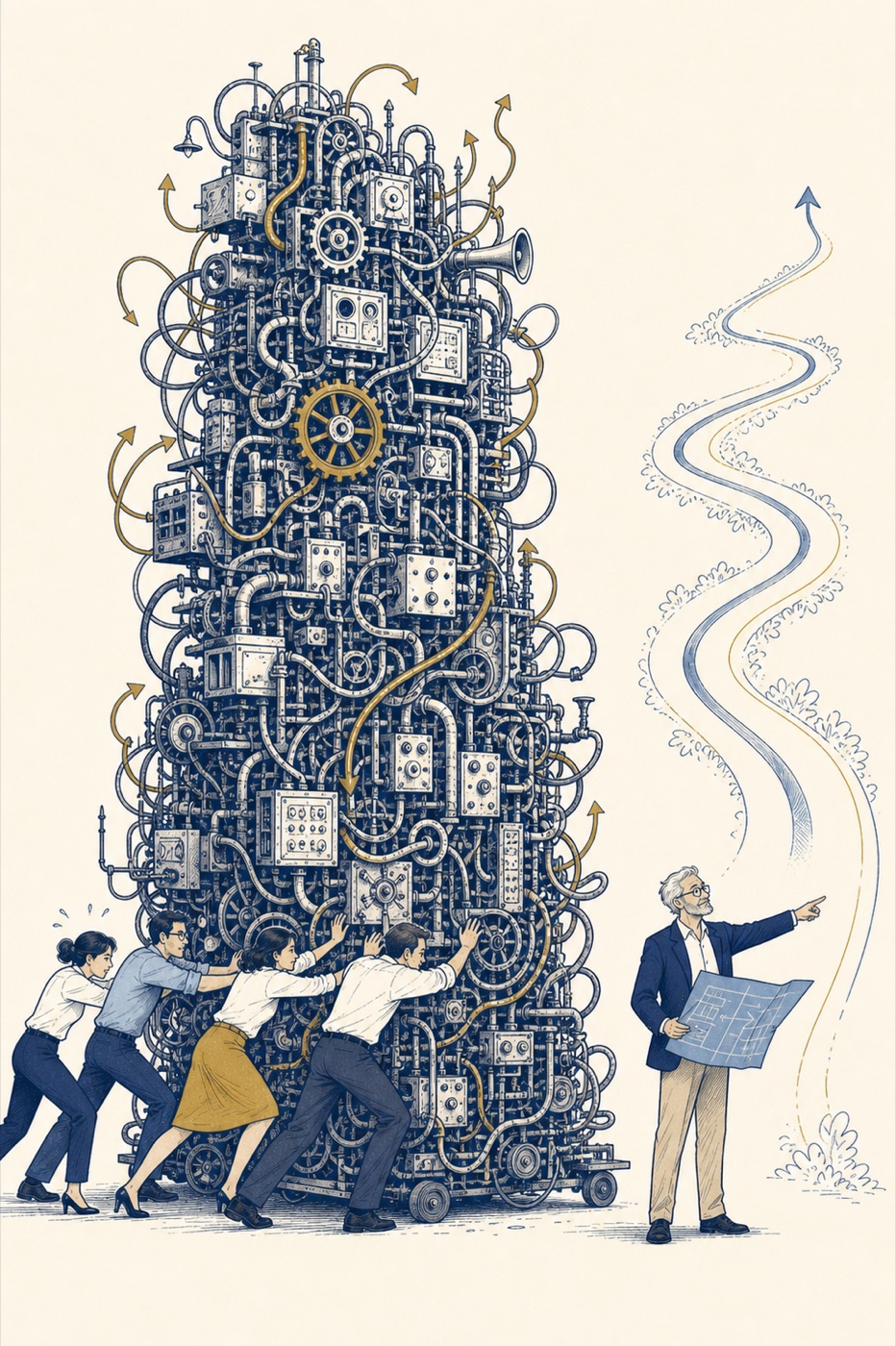
After the decision
First define the route. Then decide who should deliver it.
I can remain on the business side or take responsibility for delivery, depending on the chosen solution.
- support with vendor selection;
- requirements definition and delivery control;
- coordination of multiple vendors;
- direct implementation of the appropriate solution;
- external IT adviser role.
Why I represent the owner’s side
Because I spent many years on that side myself.
For most of my career, I worked not as an IT vendor but inside operating businesses, responsible for people, sales, finance, operations and the final result.
Management experience and a technical education allow me to start not with software or a programming language, but with how the company makes money and what actually needs to change.
30 yearswhere business meets ITup to 600employees managedB2B + B2Creal operating experiencePersonallyfrom logic to launch
Questions from owners
What should be clear before an IT project begins.
Concise answers about independent solution architecture, the zero stage and subsequent delivery.
01What is the zero stage of an IT project?
It is an analysis of the business challenge before selecting a platform or vendor. The stage defines the intended outcome, processes, roles, data, solution options, risks, delivery stages and vendor selection criteria.
02When does an owner need an independent IT business architect?
When the business challenge is real but it is not yet clear whether the answer is a ready platform, an integration, custom development or a process change. An independent architect represents the owner and is not required to sell a predetermined technology.
03Do we need a complete technical specification before starting?
No. It is enough to describe the business, the goal, the constraints and what currently prevents progress. Requirements and architecture are formed after the actual processes, data and working scenarios have been examined.
04Can you stay involved after the solution is chosen?
Yes. I can support vendor selection, oversee delivery, coordinate several specialists or take responsibility for implementation when the chosen solution fits Tenderate’s capabilities.
Start before choosing a system
Have a challenge but not yet sure what IT solution you need?
It is better to discuss it before specifications, platform selection and vendor negotiations.